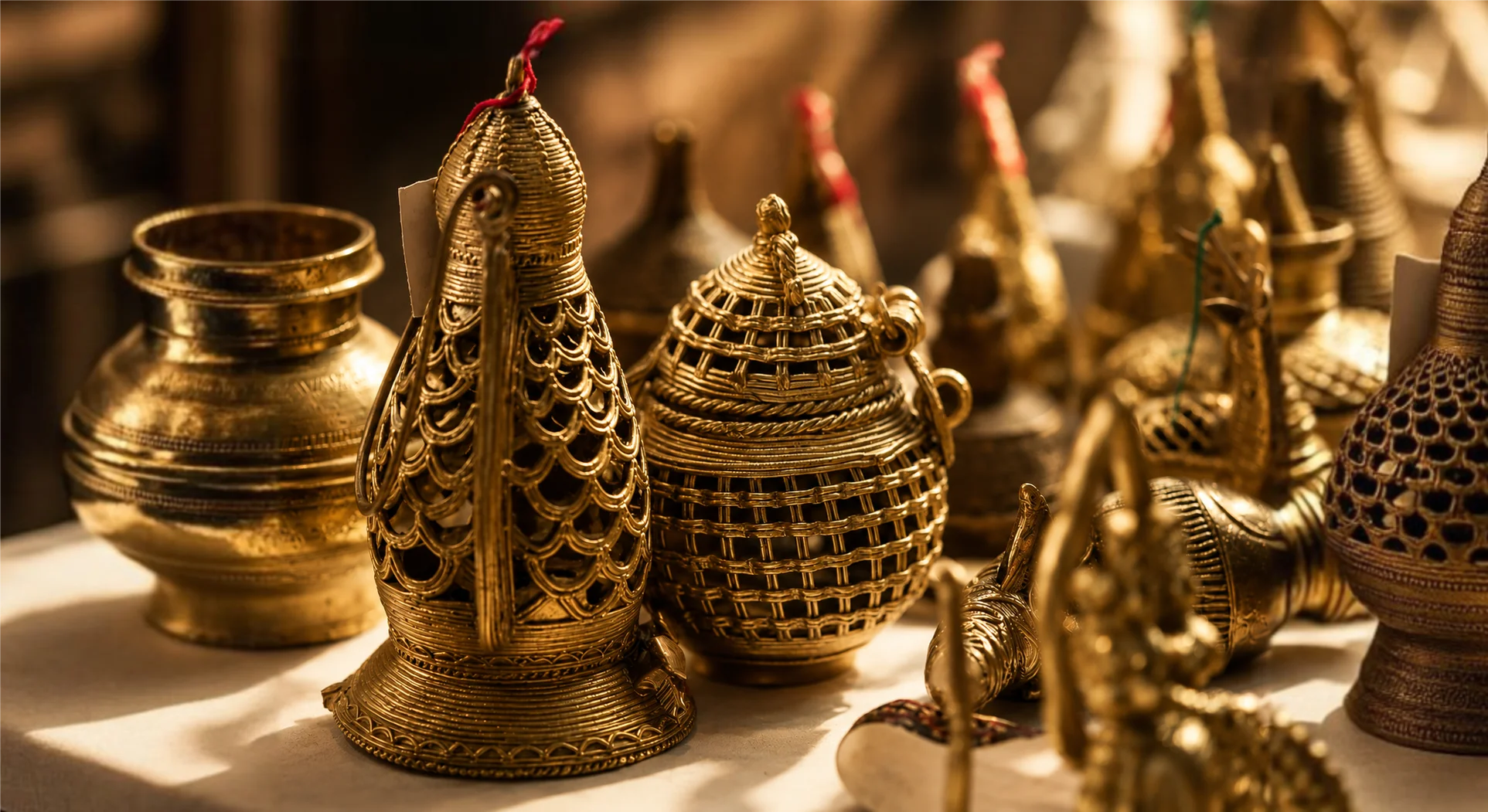
Dhokra craft is one of India's oldest and most fascinating metal art traditions, practiced by tribal artisans for more than 4,000 years. Renowned for its intricate designs and rustic charm, Dhokra products are handcrafted using the ancient lost-wax casting technique. Each piece reflects generations of skill, creativity, and cultural heritage, making it a timeless symbol of traditional craftsmanship.
History of Dhokra Craft
The roots of Dhokra art can be traced back to the Indus Valley Civilization. Historians often associate the famous bronze "Dancing Girl" sculpture of Mohenjo-daro with the same casting technique used by Dhokra artisans today. Over centuries, tribal communities in Odisha have preserved this unique craft, passing down their knowledge and skills from one generation to the next.
Inspired by nature, folklore, village life, and tribal traditions, Dhokra artisans create beautiful sculptures, decorative pieces, jewelry, and utility items that showcase India's rich cultural heritage.
How Dhokra Products Are Made
What makes Dhokra art truly special is its traditional lost-wax casting process. Every product is handmade, ensuring that no two pieces are exactly alike.
- A clay core is carefully shaped to form the base structure.
- Beeswax is molded over the clay to create intricate patterns and designs.
- Multiple layers of fine clay are applied over the wax model.
- The mold is heated, causing the wax to melt and drain away.
- Molten metal is poured into the hollow cavity left by the wax.
- After cooling, the outer clay mold is broken and the artifact is polished by hand.
Why Dhokra Craft Is Unique
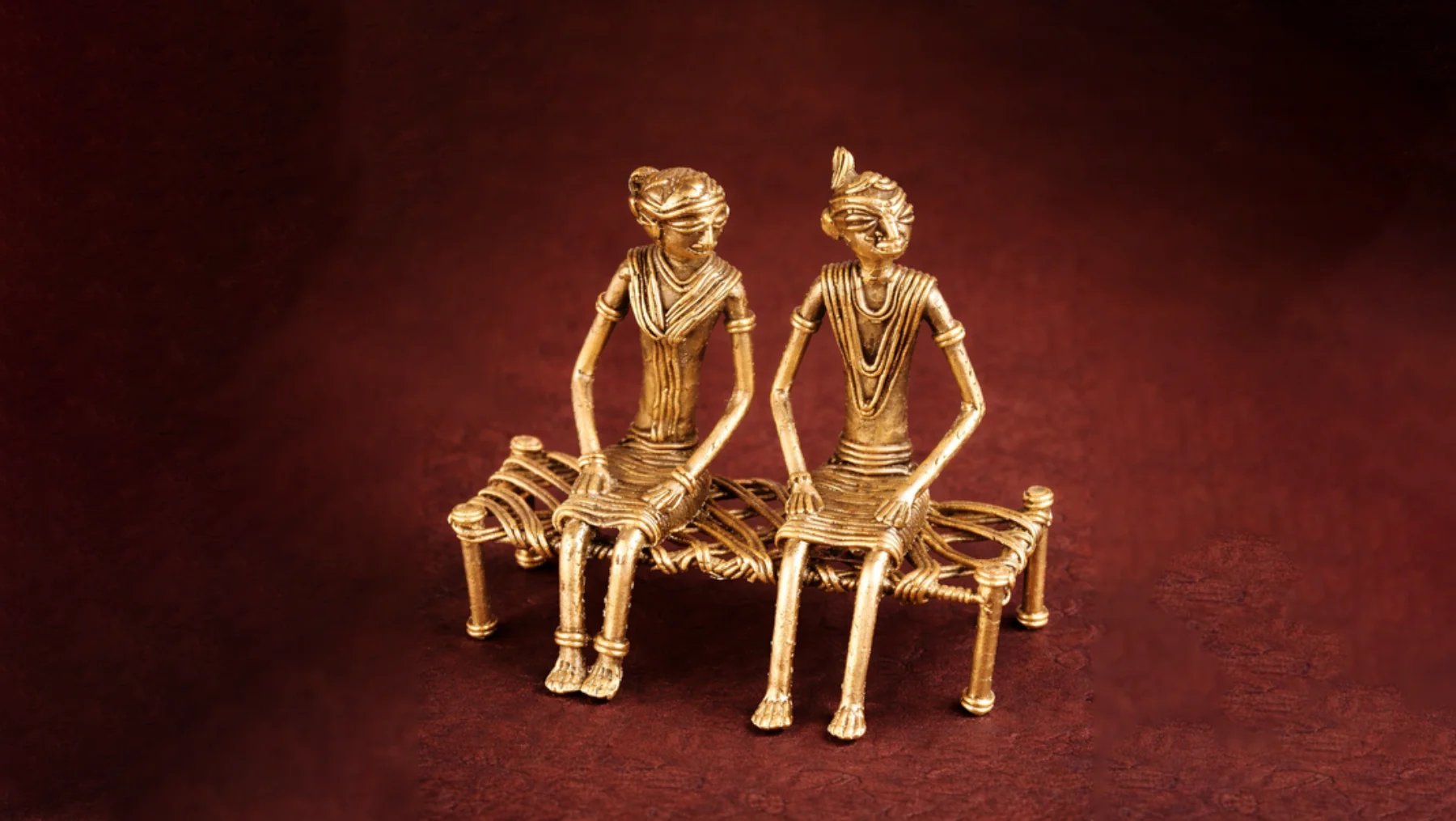
Unlike mass-produced décor items, every Dhokra artifact carries the touch of the artisan who created it. The handcrafted nature of the process ensures that each piece is unique, with its own character and detailing.
Dhokra products are appreciated for their artistic value, durability, and eco-friendly production methods. Their timeless appeal makes them perfect for home décor, gifting, and collecting traditional art.
Cultural Significance of Dhokra Art
Dhokra craft represents more than artistic expression-it reflects the traditions, stories, and lifestyles of tribal communities. Many designs feature animals, musicians, dancers, village scenes, and religious motifs that preserve cultural narratives through metal artistry.
By supporting Dhokra artisans, consumers help protect an important part of India's living heritage while encouraging the continuation of traditional craftsmanship.
Empowering Women Artisans
Women play a vital role in the Dhokra craft ecosystem, contributing significantly to the design, molding, finishing, and marketing processes. Through various livelihood initiatives and digital platforms, tribal women artisans are gaining access to broader markets and sustainable income opportunities.
Organizations such as Subhadra Shakti work towards promoting traditional handicrafts while empowering women entrepreneurs, helping them achieve economic independence and preserve their cultural heritage.
Preserving a Timeless Heritage
In today's fast-paced world, Dhokra craft stands as a reminder of the value of handmade artistry and sustainable production. Every purchase supports artisan communities and helps keep a 4,000-year-old tradition alive for future generations.
Whether displayed as a decorative piece or gifted as a symbol of Indian craftsmanship, a Dhokra artifact carries a story of heritage, skill, and cultural pride that transcends time.