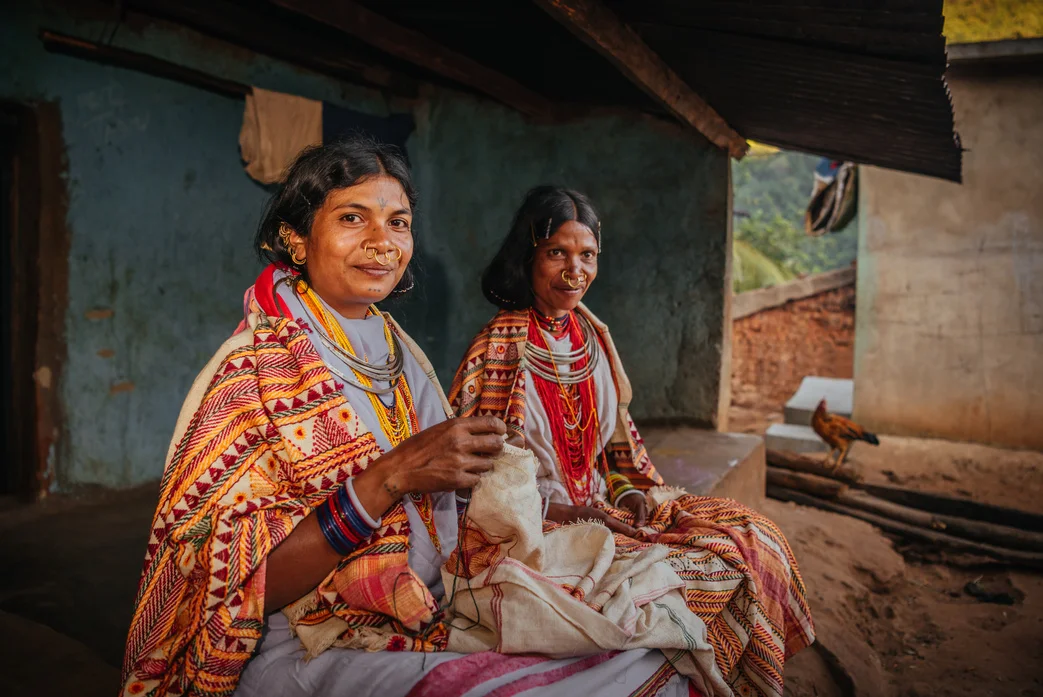
Kapadaganda Shawl is one of Odisha's most distinctive tribal textiles, handcrafted by the Dongria Kondh community residing in the Niyamgiri Hills. Renowned for its vibrant colors, intricate geometric patterns, and cultural symbolism, the shawl represents centuries of indigenous knowledge and artistic heritage. Every piece is woven by hand, making it a unique expression of tribal identity and craftsmanship.
History of Kapadaganda Shawl
The origins of the Kapadaganda Shawl are deeply rooted in the traditions of the Dongria Kondh tribe, one of Odisha's Particularly Vulnerable Tribal Groups (PVTGs). For generations, the community has preserved this weaving tradition, passing down techniques and motifs from elders to younger generations.
Traditionally worn during festivals, ceremonies, and important social occasions, the Kapadaganda Shawl serves as more than just clothing-it symbolizes cultural pride, community identity, and a close connection with nature. Today, this remarkable textile has gained recognition for its artistic beauty and heritage value.
How Kapadaganda Shawls Are Made
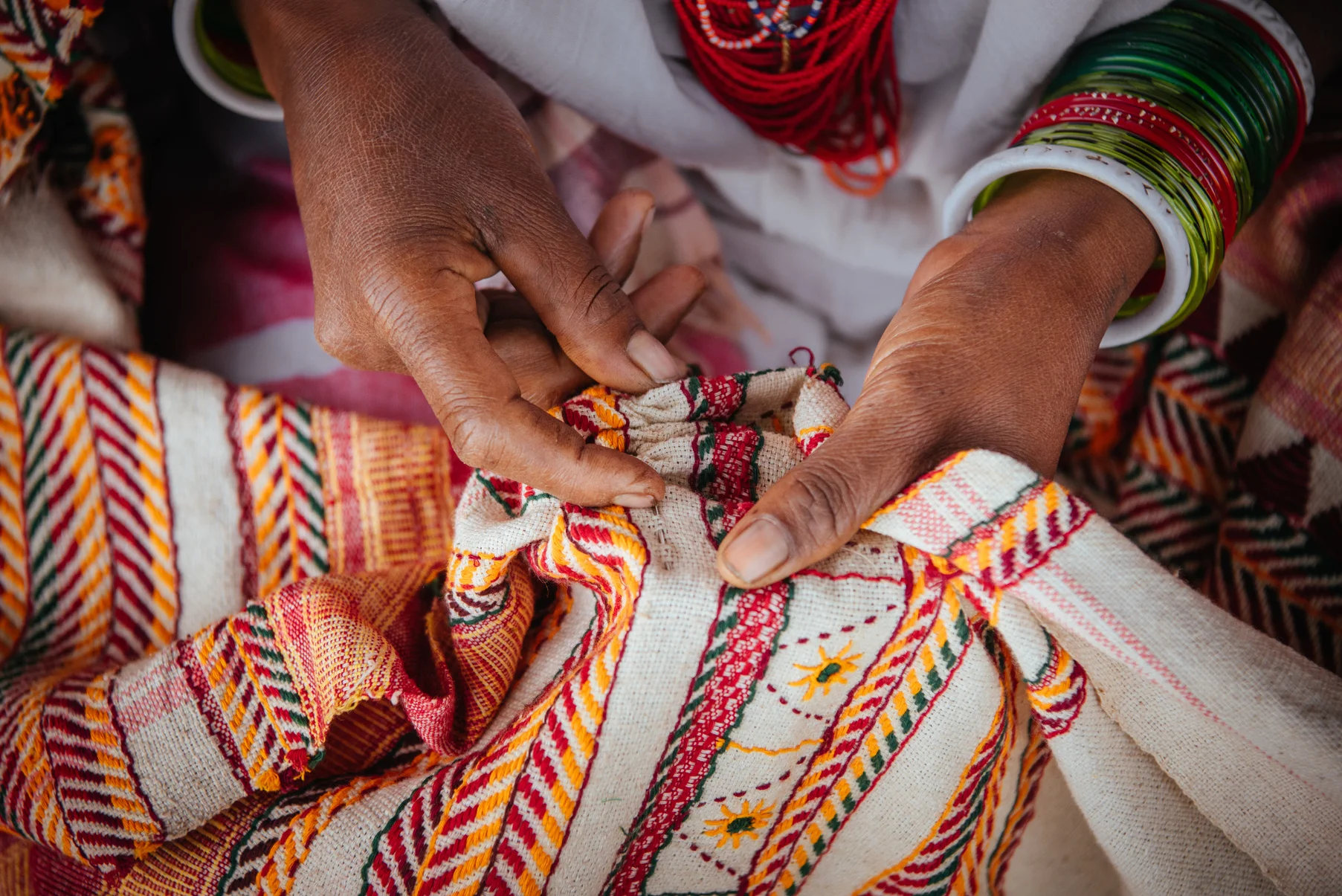
What makes Kapadaganda textiles truly special is their entirely handmade production process. Every shawl is carefully woven using traditional methods and natural inspiration.
- High-quality cotton yarn is selected and prepared for weaving.
- The yarn is dyed using vibrant colors that reflect tribal aesthetics.
- Traditional looms are set up manually by skilled artisans.
- Geometric motifs and symbolic patterns are woven into the fabric with precision.
- Each section is handcrafted, requiring patience and exceptional skill.
- After completion, the shawl is carefully finished and prepared for use or display.
Why Kapadaganda Shawls Are Unique
Unlike machine-made textiles, every Kapadaganda Shawl is handcrafted and carries the artistic signature of the weaver. The colorful stripes, intricate patterns, and traditional motifs make each piece distinctive and impossible to replicate exactly.
Kapadaganda textiles are appreciated for their cultural authenticity, durability, and timeless appeal. They are increasingly valued by collectors, fashion enthusiasts, and those who appreciate sustainable and handmade products.
Cultural Significance of Kapadaganda Weaving
Kapadaganda weaving represents much more than a textile tradition-it embodies the lifestyle, beliefs, and identity of the Dongria Kondh community. The patterns and colors often reflect elements of nature, tribal customs, and ancestral traditions that have been preserved for generations.
By supporting Kapadaganda artisans, consumers contribute to the preservation of one of India's most remarkable tribal textile traditions while helping sustain the livelihoods of indigenous communities.
Empowering Women Artisans
Women play a central role in preserving and promoting Kapadaganda weaving. They actively participate in spinning, dyeing, weaving, and finishing the textiles. Through self-help groups, skill development initiatives, and digital platforms, tribal women artisans are gaining access to wider markets and sustainable sources of income.
Organizations such as Subhadra Shakti are working to promote traditional handicrafts while empowering women entrepreneurs, enabling them to achieve economic independence and preserve their cultural heritage.
Preserving a Living Tribal Heritage
In an age of mass-produced fashion, the Kapadaganda Shawl stands as a symbol of sustainable craftsmanship and cultural continuity. Every purchase supports artisan communities and helps preserve a centuries-old weaving tradition for future generations.
Whether worn as a traditional garment or cherished as a symbol of Odisha's tribal heritage, a Kapadaganda Shawl carries a story of identity, craftsmanship, and cultural pride that continues to inspire people around the world.