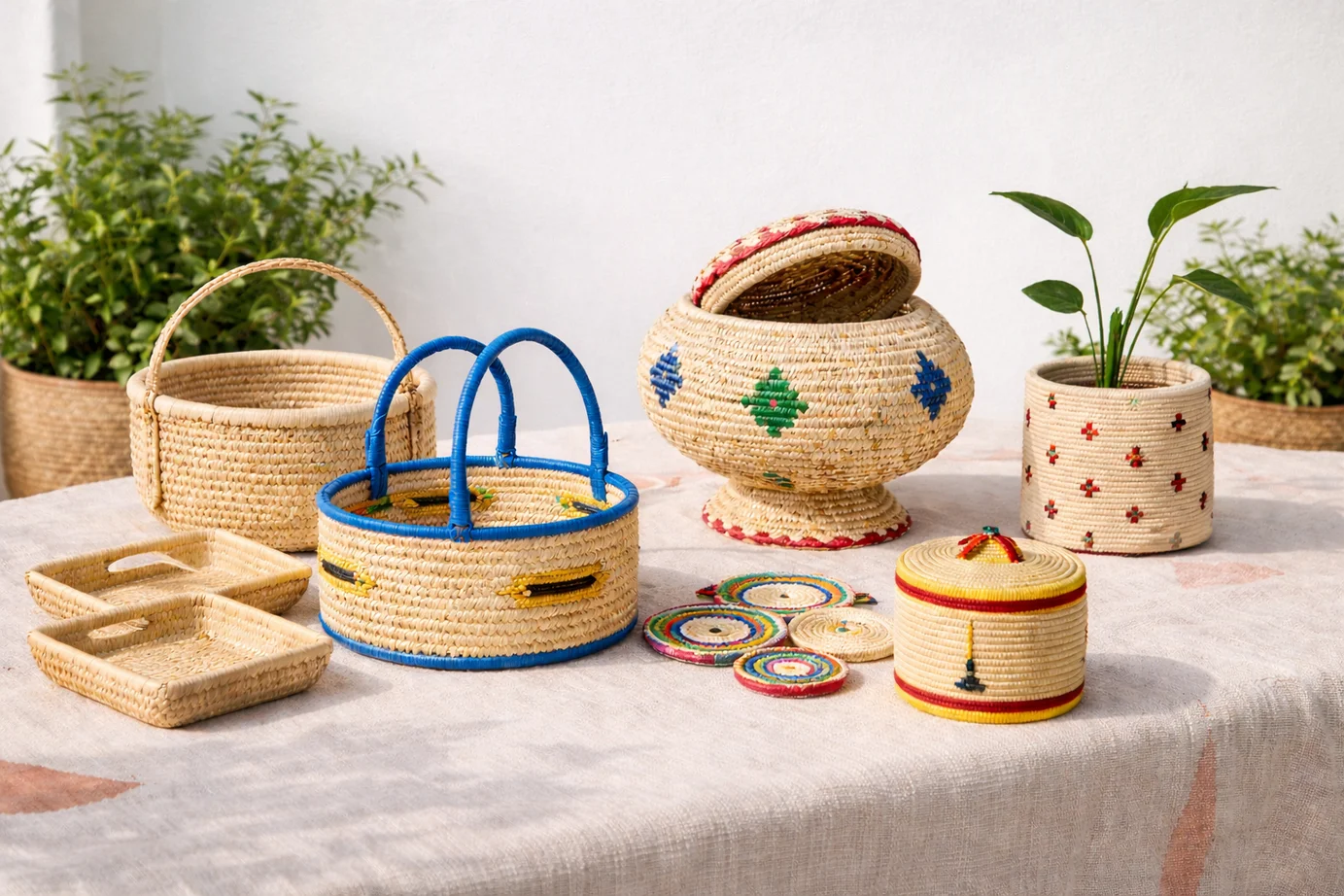
Sabai craft is one of Odisha's most remarkable eco-friendly handicraft traditions, practiced by tribal and rural artisans for generations. Made from naturally grown Sabai grass, these handcrafted products are known for their durability, vibrant colors, and sustainable appeal. Each creation reflects the creativity, skill, and cultural heritage of artisan communities, making Sabai craft a symbol of sustainable living and traditional craftsmanship.
History of Sabai Craft
The roots of Sabai craft can be traced back to the tribal communities of Odisha, where Sabai grass has long been used for making ropes and household utility products. Over time, artisans transformed this abundant natural fiber into beautiful handcrafted baskets, trays, storage containers, and decorative items.
Communities across districts such as Mayurbhanj, Keonjhar, and Balasore have preserved this unique craft, passing down their knowledge and weaving techniques from one generation to the next. Today, Sabai products have gained recognition in national and international markets for their sustainable and artistic value.
How Sabai Products Are Made
What makes Sabai craft truly special is its eco-friendly and handmade production process. Every product is crafted with care, ensuring that no two pieces are exactly alike.
- Sabai grass is harvested and dried naturally under sunlight.
- The fibers are cleaned and prepared for weaving.
- Colored threads are wrapped around the grass to create vibrant patterns and designs.
- Artisans weave the fibers by hand into various shapes and forms.
- The products are stitched and finished carefully to ensure strength and durability.
- After inspection, each handcrafted piece is prepared for everyday use or decorative purposes.
Why Sabai Craft Is Unique
Unlike mass-produced plastic and synthetic products, every Sabai artifact carries the touch of the artisan who created it. The handcrafted process ensures that each item has its own distinctive character and charm.
Sabai products are appreciated for their artistic value, durability, and environmentally friendly production methods. Their timeless appeal makes them perfect for home décor, storage solutions, gifting, and sustainable lifestyles.
Cultural Significance of Sabai Craft
Sabai craft represents more than artistic expression-it reflects the close relationship between tribal communities and nature. The craft embodies traditional knowledge and sustainable practices that have been preserved for generations.
By supporting Sabai artisans, consumers help protect an important part of Odisha's living heritage while encouraging environmentally responsible craftsmanship and rural livelihoods.
Empowering Women Artisans
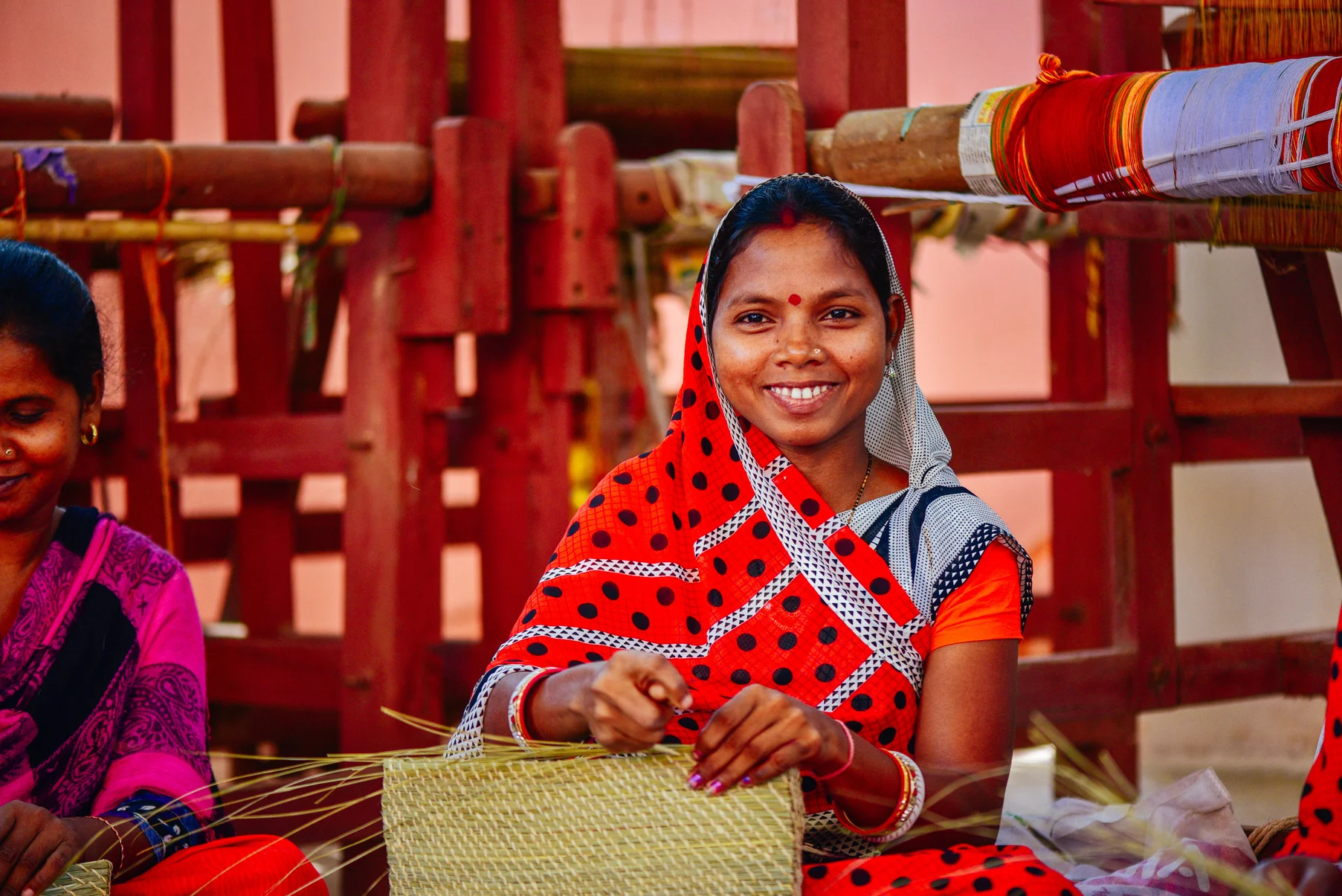
Women play a vital role in the Sabai craft ecosystem, contributing significantly to harvesting, weaving, finishing, and product development. Through self-help groups and livelihood initiatives, thousands of rural women artisans are gaining access to broader markets and sustainable income opportunities.
Organizations such as Subhadra Shakti work towards promoting traditional handicrafts while empowering women entrepreneurs, helping them achieve economic independence and preserve their cultural heritage.
Preserving a Sustainable Heritage
In today's world, where sustainability is increasingly important, Sabai craft stands as a reminder of the value of handmade artistry and eco-friendly production. Every purchase supports artisan communities and helps preserve a centuries-old tradition for future generations.
Whether used as a decorative piece, a storage solution, or gifted as a symbol of sustainable craftsmanship, a Sabai product carries a story of heritage, creativity, and cultural pride that continues to inspire people around the world.