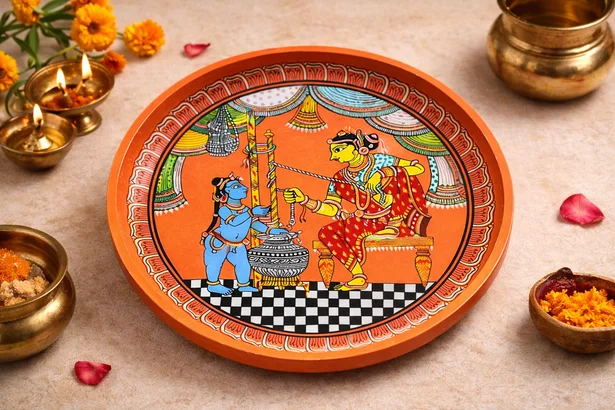
Pattachitra is one of Odisha's most celebrated traditional art forms, renowned for its intricate details, vibrant colors, and mythological themes. Practiced for centuries by skilled artisans, this ancient painting tradition beautifully combines storytelling, devotion, and craftsmanship. Each artwork reflects Odisha's rich cultural heritage and serves as a timeless expression of Indian folk art.
History of Pattachitra Art
The origins of Pattachitra can be traced back more than a thousand years and are closely associated with the Jagannath culture of Odisha. The term "Pattachitra" is derived from the Sanskrit words "Patta," meaning cloth, and "Chitra," meaning picture. Traditionally, these paintings were created as substitutes for the deities of the Jagannath Temple during the annual Anasara period when the idols remain hidden from devotees.
Over generations, artisans from villages such as Raghurajpur have preserved this unique tradition, passing down their artistic skills and techniques from one generation to another. Inspired by mythology, epics, folklore, and religious narratives, Pattachitra paintings continue to captivate art lovers across the world.
How Pattachitra Paintings Are Made
What makes Pattachitra truly special is its traditional and labor-intensive process. Every painting is handcrafted using natural materials and age-old techniques.
- Two layers of cotton cloth are pasted together using natural gum to prepare the canvas.
- The surface is coated with a mixture of chalk and tamarind seed paste and polished until smooth.
- Artisans sketch intricate designs inspired by mythology and nature.
- Natural colors derived from minerals, stones, and plant sources are carefully prepared.
- The painting is filled with vibrant colors and detailed decorative borders.
- Finally, a protective lacquer coating is applied to enhance durability and shine.
Why Pattachitra Art Is Unique
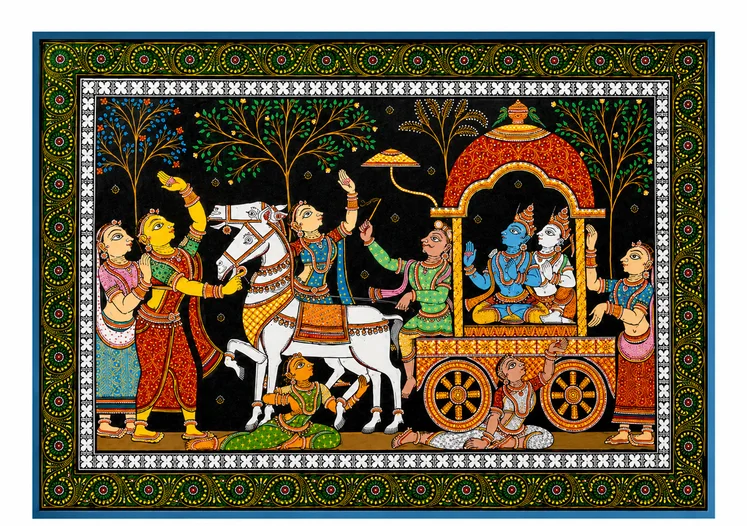
Unlike modern printed artworks, every Pattachitra painting is entirely handmade and reflects the creativity and skill of the artist. The intricate detailing, bold outlines, and use of natural colors give each piece a distinctive identity.
Pattachitra artworks are admired for their artistic beauty, cultural significance, and timeless appeal. They are widely used as wall décor, collectibles, and thoughtful gifts that showcase India's rich artistic traditions.
Cultural Significance of Pattachitra
Pattachitra is deeply rooted in Odisha's spiritual and cultural heritage. Many paintings depict stories from the Ramayana, Mahabharata, Bhagavata Purana, and the life of Lord Jagannath. Themes featuring Krishna Leela, Dashavatara, and various Hindu deities preserve centuries-old narratives through visual storytelling.
By supporting Pattachitra artisans, consumers contribute to the preservation of a priceless artistic tradition while helping sustain the livelihoods of traditional craft communities.
Empowering Women Artisans
Women play a significant role in the Pattachitra ecosystem, contributing to painting, color preparation, finishing, and product development. Through self-help groups, digital platforms, and livelihood initiatives, women artisans are gaining access to wider markets and sustainable income opportunities.
Organizations such as Subhadra Shakti are committed to promoting traditional handicrafts while empowering women entrepreneurs, enabling them to achieve economic independence and preserve their cultural heritage.
Preserving a Timeless Heritage
In an era dominated by mass production, Pattachitra stands as a symbol of handmade artistry and cultural continuity. Every purchase supports artisan communities and helps preserve a centuries-old tradition for future generations.
Whether displayed as a decorative masterpiece or cherished as a symbol of Odisha's artistic legacy, a Pattachitra painting carries a story of devotion, heritage, and craftsmanship that continues to inspire people across the world.